
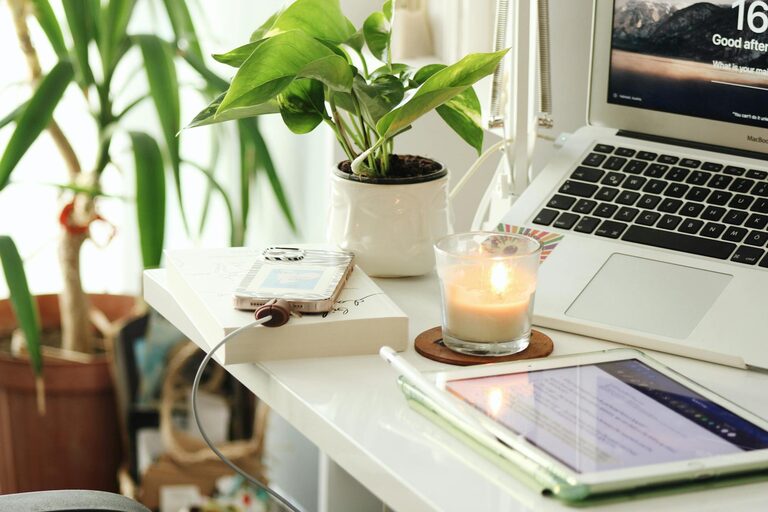
Creating a home workspace that balances comfort and productivity is essential for anyone working remotely or pursuing creative projects at home. A well-designed space can boost your focus, lower stress, and make your workday more enjoyable. Here are some simple tips to transform your home workspace into a cozy and efficient environment.
Choose the Right Location
Finding the right spot is the first step to creating a great home office.
– Quiet and Private: Select a space away from high-traffic areas to minimize distractions.
– Natural Light: If possible, choose a location near a window to take advantage of natural daylight.
– Space for Essentials: Ensure you have enough room for your desk, chair, and any equipment you need.
Even a small nook or corner can become a productive workspace with the right setup.
Invest in Comfortable Furniture
Comfort is key to staying productive and avoiding strain or discomfort.
– Ergonomic Chair: Choose a chair that supports your back and encourages good posture. Adjustable height and lumbar support are helpful features.
– Functional Desk: A desk with enough surface area to hold your computer, planner, and any accessories is important.
– Footrest or Seat Cushion: These extras can improve comfort, especially if you spend long hours sitting.
Comfortable furniture will help you focus longer without feeling physically tired.
Optimize Lighting
Good lighting affects both your mood and eye health.
– Natural Light: Position your desk so daylight falls on your workspace without causing glare on your screen.
– Task Lighting: Use a desk lamp with adjustable brightness for focused tasks during darker hours.
– Soft Ambient Light: Adding softer background lighting can create a cozy atmosphere and reduce eye strain.
Avoid harsh fluorescent lights and aim for layers of lighting that can be controlled independently.
Keep It Organized
An organized space promotes clarity and efficiency.
– Declutter Regularly: Remove unnecessary items and tidy your desk every day.
– Storage Solutions: Use shelves, drawers, or storage boxes to keep supplies out of sight but within reach.
– Cable Management: Organize cords with clips or a cable box to keep your space neat and safe.
Clear surfaces make it easier to focus and reduce stress related to clutter.
Personalize Your Space
Adding personal touches can increase your motivation and make your workspace inviting.
– Decorative Items: Include a few meaningful objects, like photos, artwork, or plants.
– Color Choices: Use calming colors like soft blues, greens, or neutrals for a relaxing vibe.
– Comfort Accessories: A cozy throw blanket, a nice mug for your tea, or a small diffuser with gentle scents can enhance comfort.
Balance personalization with minimalism to avoid distractions.
Incorporate Plants
Indoor plants improve air quality and create a calming environment.
– Easy-Care Plants: Consider low-maintenance options such as succulents, snake plants, or pothos.
– Placement: Position plants where they receive adequate light and don’t interfere with your workspace.
The greenery adds a touch of nature and helps reduce stress.
Use Technology Wisely
Technology is essential but can be a source of distraction if not managed properly.
– Reliable Equipment: Invest in a good computer, headset, and internet connection to avoid technical frustrations.
– Organized Digital Space: Keep your files and desktop organized and use productivity apps sparingly.
– Set Boundaries: Use features like “Do Not Disturb” mode during focused work periods.
Keeping technology streamlined will make your workflow smoother.
Establish a Routine
A consistent routine helps signal your brain that it’s time to work.
– Regular Hours: Set working hours and stick to them as much as possible.
– Breaks: Schedule short breaks to stretch and rest your eyes.
– Start-Up Ritual: Develop a simple habit, like making coffee or reviewing your to-do list, to begin work each day.
A routine enhances focus and separates work time from relaxation.
Final Thoughts
Creating a cozy and productive home workspace doesn’t have to be complicated or expensive. By selecting the right location, investing in comfortable furniture, optimizing lighting, staying organized, and personalizing your area, you can design an environment that supports your best work. Incorporate greenery and manage technology carefully, then establish a routine that keeps you motivated and focused. With these simple tips, your home workspace can become your favorite place to work.