
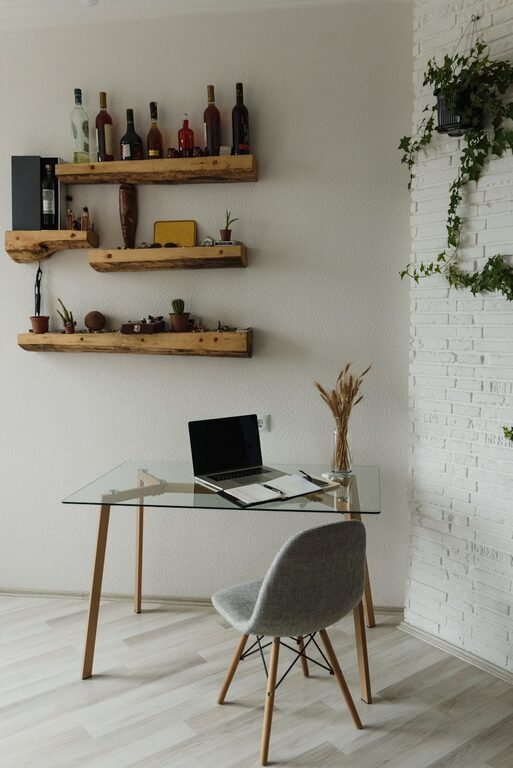
Creating a cozy and functional home office space is essential for boosting productivity while enjoying your work environment. Whether you work from home full-time or need a dedicated spot for occasional tasks, having a space that feels welcoming and efficient can make all the difference. Here are some helpful tips to design a home office that balances comfort with functionality.
Choose the Right Location
Your home office location can influence your focus and comfort. Consider these factors when picking a spot:
– Natural Light: Aim for a place with plenty of natural light to improve mood and reduce eye strain. A room near a window or a bright corner can work well.
– Quiet Environment: Select an area away from high-traffic zones or noisy appliances to minimize distractions.
– Space Requirements: Make sure there’s enough room for your desk, chair, and any equipment or storage you need.
Invest in Ergonomic Furniture
Comfort is key for long work sessions. Ergonomic furniture supports your health and productivity:
– Desk: Choose a desk that fits your workflow. A spacious surface allows room for a computer, paperwork, and tools.
– Chair: Invest in an adjustable ergonomic chair that offers proper back support and encourages good posture.
– Adjustable Accessories: Consider an adjustable keyboard tray, monitor stand, and footrest for customized comfort.
Optimize Lighting
Good lighting prevents fatigue and creates a pleasant atmosphere:
– Layer Lighting: Combine overhead lights with task lighting, like a desk lamp, to illuminate your workspace effectively.
– Adjustable Brightness: Use bulbs with adjustable brightness or dimmers to match the time of day and reduce glare.
– Avoid Screen Glare: Position your computer perpendicular to windows to prevent reflections on your screen.
Declutter and Organize
A tidy workspace helps clear your mind and increase efficiency:
– Storage Solutions: Use shelves, drawers, or filing cabinets to keep supplies and documents neatly stored.
– Desk Organization: Keep only essential items on your desk and use organizers for pens, notes, and gadgets.
– Cable Management: Use clips or cable boxes to bundle cords and maintain a clean look.
Personalize Your Space
Adding personal touches makes your office inviting without causing distractions:
– Decor: Include artwork, plants, or decorative objects that inspire you.
– Color Palette: Choose calming or energizing colors depending on your preferences. Soft blues and greens often promote focus, while yellows can boost creativity.
– Comfort Elements: Add a cozy rug, cushions, or a small blanket to soften the space.
Use Technology Wisely
Equip your office with technology that supports your workflow:
– Reliable Internet: Ensure a strong and consistent internet connection for seamless communication and research.
– Essential Devices: Choose devices—like printers, scanners, or external monitors—that match your work needs but avoid cluttering the desk.
– Noise-Canceling Headphones: They can help maintain concentration in noisy environments.
Maintain Good Air Quality and Temperature
A comfortable physical environment supports better concentration:
– Ventilation: Keep windows open or use air purifiers to maintain fresh air.
– Temperature Control: Use fans, heaters, or a thermostat to keep the room at a comfortable temperature year-round.
– Plants: Indoor plants not only decorate but can improve air quality.
Establish Boundaries and Routine
To get the most from your home office, set clear work boundaries:
– Dedicated Work Hours: Define when you start and end work to maintain balance.
– Separate Work and Leisure: Keep the workspace for work-related tasks only to help your brain switch modes.
– Break Areas: Incorporate a spot nearby where you can stretch or relax during breaks.
Final Thoughts
Your home office should reflect your work style and personal preferences. By focusing on comfort, functionality, and organization, you can create a space where you look forward to working every day. Remember, even small changes like upgrading your chair or adding a plant can make a big difference. Take time to design your ideal workspace and adapt it as your needs evolve.